
Loose skin after weight loss is a common concern for people who have lost a significant amount of weight. While reaching a healthier weight is a major achievement, many patients feel frustrated when excess skin remains after the weight loss journey is complete.
The skin stretches over time to accommodate extra body weight. After major weight loss, the skin may not fully return to its original shape. This can affect comfort, confidence, clothing choices, and overall body image.
Many people wonder if loose skin will tighten naturally or if professional treatment is needed. In this guide, you will learn why loose skin happens, what factors affect skin elasticity, and which treatments can help improve body contours after weight loss.
Why Loose Skin Happens After Weight Loss
Skin is designed to stretch and move with the body. However, when the skin remains stretched for long periods, it can lose elasticity.
Collagen and elastin are two important proteins that help skin stay firm and flexible. Significant weight gain can damage these fibres over time. After weight loss, the skin may struggle to tighten around the new body shape.
Loose skin after weight loss is more common in people who:
- Lose a large amount of weight
- Experience rapid weight loss
- Have carried excess weight for many years
- Are older in age
- Have reduced skin elasticity
The amount of excess skin varies from person to person. Some people experience mild skin laxity, while others develop larger folds of hanging skin.
Common Areas Affected by Loose Skin
Loose skin can appear in several areas of the body after major weight loss.
Abdomen
The stomach is one of the most common areas affected by excess skin. Patients may notice loose folds around the lower abdomen after weight reduction.
Arms
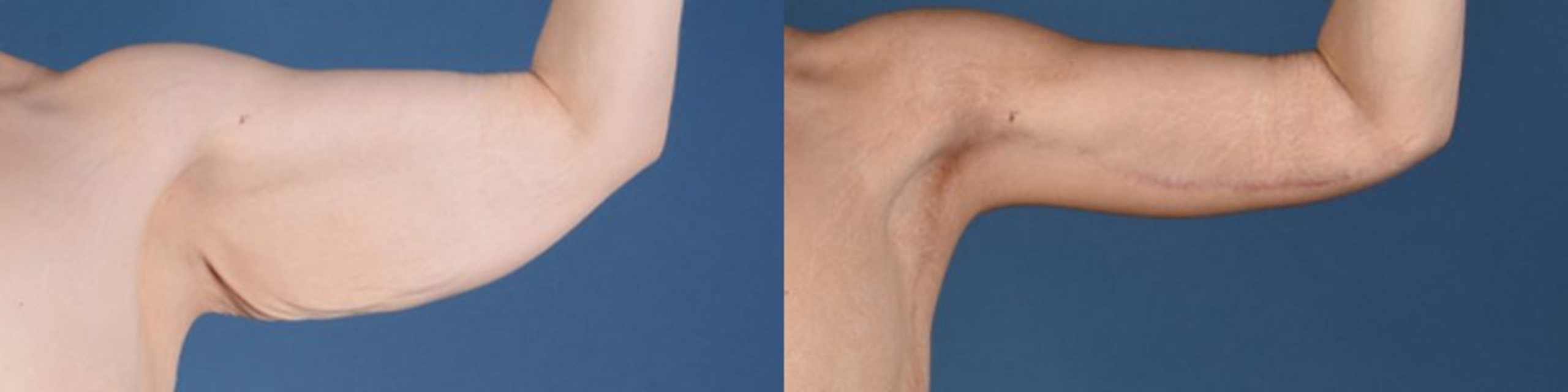
Loose skin on the upper arms is often called “bat wings.” This area can become difficult to tone with exercise alone.
Thighs
The inner thighs may develop sagging skin after significant weight loss. This can affect comfort and clothing fit.
Chest and Breasts
Both men and women may notice changes in the chest area after losing weight. Skin may appear deflated or less firm.
Face and Neck
Weight loss can also affect facial volume and skin tightness. Some people notice sagging around the jawline and neck.
Factors That Affect Skin Elasticity
Several factors influence how the skin responds after weight loss.
Age
Younger skin usually has more collagen and elastin. Older adults may experience more noticeable loose skin after weight loss because skin naturally loses elasticity over time.
Amount of Weight Lost
Patients who lose a large amount of weight are more likely to develop excess skin. Rapid weight loss can also increase the likelihood of loose skin.
Genetics
Genetics play a major role in skin quality and elasticity. Some people naturally maintain firmer skin more easily than others.
Lifestyle Habits
Healthy habits support skin health. Smoking, poor hydration, and limited nutrition can affect the skin’s ability to recover.
Length of Time Overweight
Skin that remains stretched for many years may not fully tighten after weight loss.
Can Loose Skin Tighten Naturally?
Mild loose skin may improve naturally over time, especially in younger patients with good skin elasticity.
However, significant loose skin often does not fully tighten on its own.
Ways to Support Skin Tightening
Healthy habits may improve overall skin quality and support gradual tightening.
These include:
- Strength training
- Staying hydrated
- Eating protein-rich foods
- Maintaining a stable weight
- Using medical-grade skincare products
While these methods may improve mild skin laxity, they are unlikely to remove large amounts of excess skin.
Non-Surgical Treatments for Loose Skin
Some patients prefer non-surgical treatments before considering surgery.
Modern aesthetic treatments can improve skin texture and firmness in mild to moderate cases.
Radiofrequency Skin Tightening
Radiofrequency treatments use heat energy to stimulate collagen production beneath the skin.
These treatments may help improve:
- Mild skin laxity
- Skin texture
- Firmness
- Elasticity
Ultrasound-Based Treatments
Ultrasound technology targets deeper skin layers to support collagen production and tightening.
Results develop gradually over several months.
Cosmetic Injectables
A cosmetic injectables clinic may offer treatments that improve facial volume and skin appearance after weight loss.
Injectables can help restore balance and improve facial contours in areas affected by volume loss.
Skin Tightening Devices
Some non-invasive devices combine radiofrequency, infrared light, or microneedling to improve skin quality.
These treatments work best for mild to moderate loose skin after weight loss.
When Skin Removal Surgery May Be the Best Option
For patients with significant excess skin, non-surgical treatments may not provide enough improvement.
Skin removal surgery is often the most effective option for removing larger amounts of loose skin and reshaping the body.
Patients may consider surgery when excess skin:
- Causes discomfort
- Leads to skin irritation
- Affects mobility
- Makes exercise difficult
- Impacts confidence and body image
Loose skin surgery is usually recommended after weight has stabilised for several months.
Types of Loose Skin Surgery After Weight Loss
Several surgical procedures can target different areas of the body.
Tummy Tuck
A tummy tuck removes excess skin and tightens abdominal muscles.
This procedure is one of the most common forms of skin removal surgery after weight loss.
Arm Lift
An arm lift removes loose skin from the upper arms to create a firmer appearance.
Thigh Lift
A thigh lift targets sagging skin on the inner or outer thighs.
Body Lift
A lower body lift addresses excess skin around the abdomen, hips, lower back, and thighs.
Breast Lift
A breast lift reshapes and lifts breast tissue after weight loss.
Some patients combine procedures for more comprehensive body contouring results.
Recovery and Results After Skin Removal Surgery
Recovery time depends on the type of surgery performed and the number of treatment areas involved.
Most patients need several weeks of recovery before returning to normal activities.
What to Expect During Recovery
Patients may experience:
- Swelling
- Bruising
- Temporary discomfort
- Compression garment use
- Activity restrictions
Following aftercare instructions is important for proper healing and optimal results.
Long-Term Results
Skin removal surgery can significantly improve body contours and comfort after major weight loss.
Results are usually long-lasting when patients maintain a stable weight and healthy lifestyle.
Can Insurance Cover Excess Skin Removal Surgery?
While most excess skin removal procedures are considered cosmetic, insurance may cover a panniculectomy if excess skin causes medical problems such as chronic rashes, infections, or difficulty with hygiene.
Coverage varies by insurance plan and usually requires medical documentation. During your consultation, we can evaluate your situation and discuss whether you may qualify for insurance coverage.
Choosing the Right Clinic for Body Contouring Treatments
Choosing an experienced provider is important when considering loose skin treatments.
Patients should look for clinics that offer:
- Personalised consultations
- Experienced medical professionals
- Surgical and non-surgical treatment options
- Comprehensive aftercare support
- Advanced aesthetic technology
A trusted cosmetic injectables clinic may also provide complementary treatments to improve skin quality and facial balance after weight loss.
What is skin removal surgery?
Skin removal surgery removes excess loose skin after major weight loss and improves body contours.
Is loose skin surgery painful?
Patients may experience temporary discomfort during recovery, but pain is usually managed with medication and proper aftercare.
Are non-surgical treatments effective for loose skin?
Non-surgical treatments may help improve mild to moderate skin laxity. Severe loose skin often responds better to surgery.
Conclusion
Loose skin after weight loss is a common part of the body transformation journey. While weight loss improves overall health, excess skin can affect comfort, confidence, and quality of life.
Treatment options range from non-surgical skin tightening to full skin removal surgery, depending on the amount of excess skin and individual goals. Patients who want firmer contours and improved comfort should explore professional treatment options with experienced providers.
If you are considering treatment for loose skin after weight loss, contact our team today to learn more about personalised body contouring and skin tightening solutions.
Frequently Asked Questions
1. Why does loose skin happen after weight loss?
Loose skin after weight loss happens when the skin loses elasticity after being stretched for a long time. Rapid or significant weight loss can make it harder for the skin to tighten naturally.
2. Can exercise remove loose skin?
Exercise can improve muscle tone and body shape, but it usually cannot remove large amounts of excess skin. Significant loose skin may require professional treatment.
3. What is skin removal surgery?
Skin removal surgery is a cosmetic procedure that removes excess skin after major weight loss. It helps improve body contours, comfort, and confidence.
4. Are non-surgical treatments effective for loose skin?
Non-surgical treatments can improve mild to moderate skin laxity by supporting collagen production and skin tightening. Severe loose skin often responds better to surgery.
5. When should I consider loose skin surgery?
Patients usually consider loose skin surgery after reaching a stable weight and maintaining it for several months. A consultation can help determine the best treatment option.