
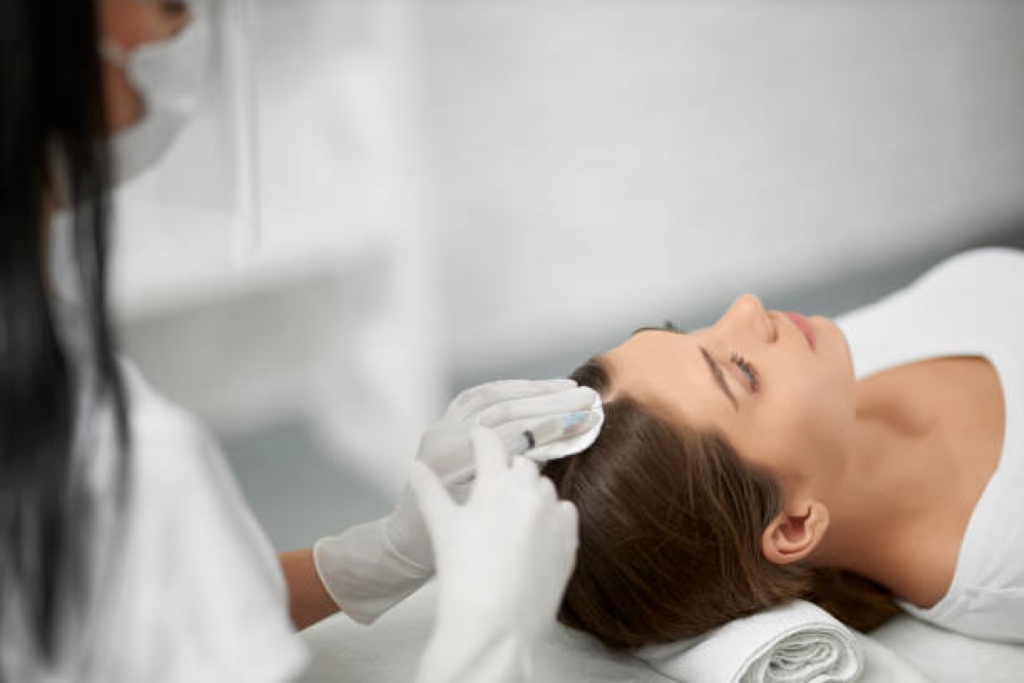
Hair loss treatment for women has become one of the most sought-after solutions for women experiencing thinning hair, excessive shedding, or noticeable bald spots. While hair loss is often associated with men, millions of women experience hair-related concerns at various stages of life. Whether the cause is hormonal changes, genetics, stress, or medical conditions, hair loss can significantly affect confidence and emotional well-being.
The good news is that advancements in hair restoration have created more effective options than ever before. From medical therapies to innovative non-surgical procedures, women now have access to personalized treatments designed to restore hair growth and improve scalp health. In this guide, you’ll learn about the most common causes of female hair loss, available treatment options, and what truly works for long-term results.
Understanding Hair Loss in Women
Hair loss affects women of all ages and backgrounds. While occasional shedding is a natural part of the hair growth cycle, excessive hair loss may indicate an underlying issue that requires attention.
How Common Is Female Hair Loss?
Female hair loss is more common than many people realize. Studies show that a significant percentage of women experience noticeable hair thinning during their lifetime. Hair loss can begin as early as the twenties and often becomes more noticeable during menopause.
Women may experience:
- Widening of the hair part
- Overall thinning across the scalp
- Increased shedding during washing or brushing
- Reduced hair volume
- Patchy areas of hair loss
Because hair loss often develops gradually, many women do not recognize the severity of the problem until substantial thinning has occurred.
Why Hair Loss Affects More Than Appearance
Hair plays an important role in personal identity and self-image. When hair begins to thin or fall out, women may experience:
- Reduced self-confidence
- Social anxiety
- Emotional stress
- Concerns about aging
- Frustration with styling limitations
Addressing hair loss early can help improve both physical appearance and emotional well-being.
What Causes Hair Loss in Women?
Understanding the underlying cause of hair loss is essential for selecting the most effective treatment. Hair loss can result from a variety of factors, and many women experience more than one contributing cause.
Hormonal Changes
Hormones have a significant impact on hair growth. Fluctuations in hormone levels can disrupt the natural hair growth cycle and lead to increased shedding.
Common hormonal causes include:
- Pregnancy and postpartum changes
- Menopause
- Thyroid disorders
- Polycystic ovary syndrome (PCOS)
- Hormonal imbalances
Many women notice changes in hair density following major hormonal transitions.
Genetics and Female Pattern Hair Loss
Genetics remains one of the most common causes of female hair thinning. Female pattern hair loss often develops gradually and typically affects the crown and top of the scalp.
Signs of genetic hair loss include:
- Progressive thinning over time
- A widening center part
- Reduced hair density near the crown
- Family history of hair loss
Early diagnosis can significantly improve treatment outcomes.
Stress and Lifestyle Factors
Physical and emotional stress can trigger a condition known as telogen effluvium, which causes a larger number of hair follicles to enter the shedding phase.
Potential triggers include:
- Major illness
- Surgery
- Significant weight loss
- Emotional trauma
- Chronic stress
Lifestyle habits such as poor sleep and inadequate nutrition can also contribute to hair thinning.
Nutritional Deficiencies and Medical Conditions
Hair follicles require adequate nutrients to function properly. Deficiencies in key vitamins and minerals may affect hair growth and strength.
Common nutritional concerns include:
- Iron deficiency
- Vitamin D deficiency
- Zinc deficiency
- Low protein intake
- Vitamin B12 deficiency
Certain medical conditions, including autoimmune disorders and scalp diseases, may also contribute to hair loss.
Signs It Is Time to Seek Professional Help
Many women attempt to manage hair loss with over-the-counter products before seeking professional care. However, persistent thinning often requires a more comprehensive approach.
Early Warning Signs
You should consider professional evaluation if you notice:
- Excessive daily shedding
- Hair collecting in the shower drain
- Increased scalp visibility
- Reduced ponytail thickness
- Hair that no longer grows as it once did
Early intervention often provides the best opportunity for preserving existing hair.
When Hair Thinning Becomes Progressive
Hair loss that continues to worsen over several months should be evaluated by a specialist. Progressive hair thinning may indicate underlying hormonal, genetic, or medical causes that require targeted treatment.
A professional assessment can identify contributing factors and help create a customized treatment plan.
Hair Loss Treatment for Women: What Are Your Options?
Modern hair loss treatment for women includes a variety of evidence-based solutions designed to address different causes and stages of hair loss.
Medical and Topical Treatments
Depending on the diagnosis, medical therapies may help slow hair loss and encourage regrowth.
Common approaches include:
- Topical hair growth treatments
- Prescription medications
- Hormonal management when appropriate
- Nutritional supplementation
These treatments often work best when combined with professional monitoring and complementary therapies.
PRP Therapy for Hair Restoration
Platelet-Rich Plasma (PRP) therapy has become a popular option for women seeking natural hair restoration. The treatment uses growth factors derived from the patient’s own blood to stimulate dormant hair follicles.
Potential benefits of PRP include:
- Improved scalp circulation
- Enhanced follicle activity
- Increased hair thickness
- Reduced shedding
- Natural-looking results
Many women choose PRP because it is minimally invasive and utilizes the body’s own healing mechanisms.
Non Surgical Hair Restoration Treatment Solutions
A non surgical hair restoration treatment approach is often ideal for women who want to improve hair density without undergoing surgery.
These treatments may include:
- PRP therapy
- Scalp rejuvenation therapies
- Growth factor treatments
- Advanced regenerative treatments
- Customized combination therapies
Unlike surgical procedures, non-surgical treatments generally involve little to no downtime and can be tailored to individual needs.
For women experiencing early to moderate hair thinning, a non surgical hair restoration treatment plan may provide significant improvements in hair quality and density.
What Makes Non-Surgical Hair Restoration So Popular?
Many women prefer non-surgical options because they offer effective results with minimal disruption to daily life.
Benefits of Non-Surgical Treatments
Advantages often include:
- Minimal downtime
- Comfortable treatment sessions
- Natural-looking outcomes
- Customized treatment plans
- Gradual improvement over time
Non-surgical solutions focus on supporting existing follicles and creating a healthier environment for hair growth.
Who Is a Good Candidate?
Women may be good candidates if they:
- Have early-stage hair thinning
- Notice increased shedding
- Want to avoid surgery
- Have realistic expectations
- Are committed to following a treatment plan
A professional consultation helps determine the most appropriate treatment strategy.
How a Hair Restoration Clinic Creates a Personalized Treatment Plan
Every woman’s hair loss journey is unique. A qualified hair restoration clinic takes a comprehensive approach to diagnosis and treatment.
Consultation and Diagnosis
The process often begins with a detailed evaluation that may include:
- Medical history review
- Scalp examination
- Hair density assessment
- Lifestyle evaluation
- Discussion of treatment goals
Identifying the root cause is one of the most important steps toward successful treatment.
Treatment Recommendations and Follow-Up
After diagnosis, a personalized treatment plan may be developed based on:
- Type of hair loss
- Severity of thinning
- Age and overall health
- Treatment preferences
- Long-term goals
A reputable hair restoration clinic monitors progress regularly and adjusts treatment protocols as needed to optimize results.
What Results Can Women Expect From Hair Restoration?
Hair restoration is a gradual process. Understanding realistic expectations helps women remain committed to their treatment plans.
Timeline for Results
Although individual outcomes vary, many women notice improvements in stages:
- First 1-3 months: Reduced shedding
- Months 3-6: Early signs of regrowth
- Months 6-12: Increased density and thickness
- Beyond 12 months: Continued improvement and maintenance
Consistency is often a key factor in achieving successful outcomes.
Factors That Influence Success
Several variables affect treatment results, including:
- Underlying cause of hair loss
- Age
- Overall health
- Treatment selection
- Treatment consistency
- Scalp condition
Women who seek treatment early generally experience better outcomes than those who wait until advanced hair loss develops.
Take the First Step Toward Healthier, Fuller Hair
Hair loss can feel overwhelming, but effective solutions are available. Understanding the causes of hair thinning and seeking professional guidance early can make a significant difference in preserving and restoring hair growth. Today’s advanced treatment options offer women more opportunities than ever to achieve fuller, healthier-looking hair without invasive procedures.
If you are experiencing thinning hair or increased shedding, the specialists at Valley Aesthetics can help identify the cause and recommend a personalized treatment plan. Schedule a consultation today to explore your options and discover how professional hair restoration can help you regain confidence in your appearance.