
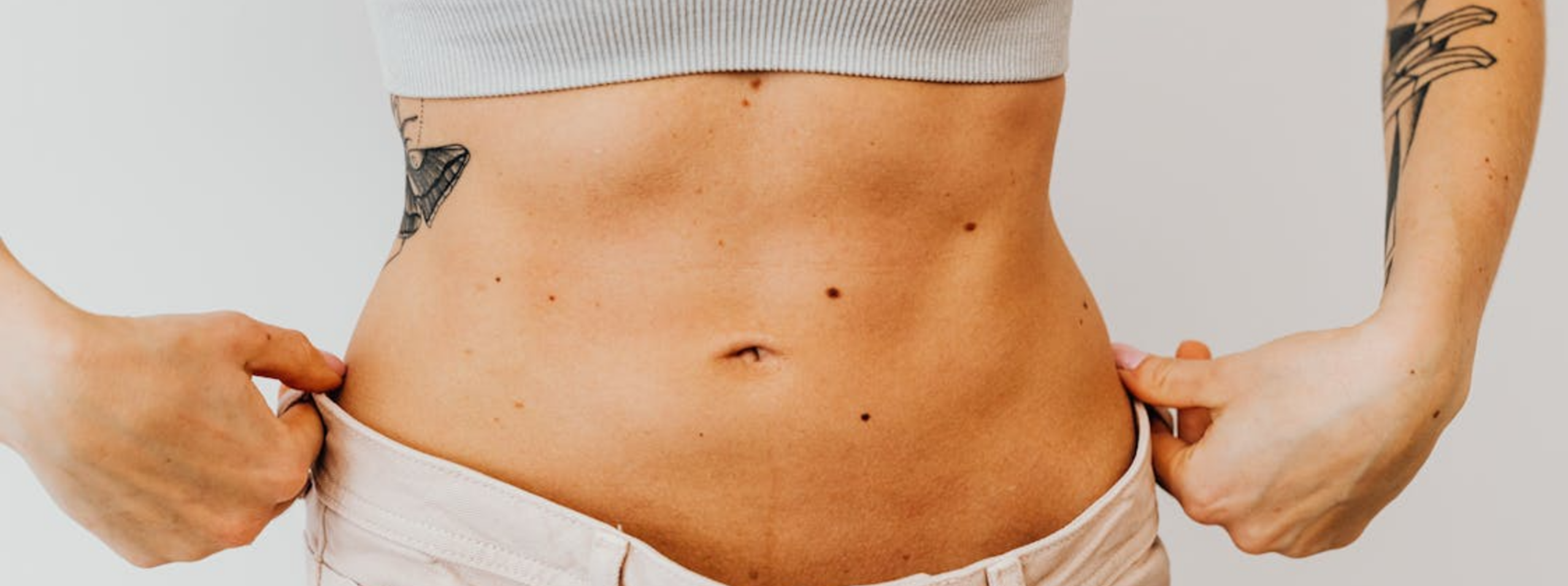
Excess skin removal surgery can help people feel more comfortable after major weight loss. Losing weight is a huge achievement, but loose skin can sometimes affect confidence, movement, and daily comfort.
Many people notice extra skin around the stomach, arms, thighs, or chest after losing weight. This happens because the skin may not fully tighten after being stretched for a long time. While exercise can improve muscle tone, it often cannot remove large amounts of loose skin.
Excess skin removal surgery is designed to remove loose skin and improve body contours. In this guide, you will learn how the procedure works, its benefits and risks, recovery expectations, and whether it may be the right choice for you.
What Is Excess Skin Removal Surgery?
Excess skin removal surgery is a cosmetic procedure that removes loose, hanging skin after major weight loss. It is commonly performed after bariatric surgery or significant lifestyle-related weight loss.
The goal of skin removal surgery is to create firmer body contours and improve comfort. Many patients choose surgery because excess skin can cause irritation, movement restrictions, and self-confidence concerns.
Who Is a Good Candidate?
People may consider loose skin surgery if they:
- Have maintained a stable weight
- Experience discomfort from loose skin
- Have skin irritation or rashes
- Feel unhappy with body contours
- Want better comfort during exercise
Most surgeons recommend waiting until body weight has stabilised before surgery.
Areas Commonly Treated
Excess skin removal surgery can target different areas of the body, including:
- Abdomen
- Arms
- Thighs
- Chest
- Breasts
- Lower back
- Neck and jawline
Some patients choose one procedure, while others combine treatments for full body contouring.
Why Loose Skin Happens After Weight Loss
The skin stretches over time to hold extra body weight. After major weight loss, the skin may not shrink fully back into place.
Collagen and elastin help keep skin firm and flexible. These fibres weaken when the skin stays stretched for a long time.
Several factors affect how much loose skin develops after weight loss.
Amount of Weight Lost
People who lose a large amount of weight are more likely to have excess skin.
Age
Skin naturally loses elasticity with age. Older adults may notice more loose skin after weight loss.
Genetics
Some people naturally have stronger skin elasticity than others.
Length of Time Overweight
Skin that has been stretched for many years may not fully tighten after weight loss.
Lifestyle Factors
Smoking, dehydration, and poor nutrition can affect skin quality and healing.
Common Areas Treated With Loose Skin Surgery
Different procedures are used to treat specific parts of the body.
Tummy Tuck
A tummy tuck removes excess skin from the stomach area and tightens abdominal muscles.
This is one of the most popular forms of post weight loss surgery.
Arm Lift
An arm lift removes loose skin from the upper arms to create a firmer appearance.
Thigh Lift
A thigh lift improves loose skin around the inner or outer thighs.
Body Lift
A lower body lift treats loose skin around the waist, hips, thighs, and buttocks.
Breast Lift
A breast lift reshapes and lifts the breasts after major weight loss.
Benefits of Excess Skin Removal Surgery
Many patients experience both physical and emotional benefits after surgery.
Improved Comfort
Loose skin can rub against clothing and cause irritation or rashes.
Skin removal surgery can make movement and exercise more comfortable.
Better Body Shape
Excess skin removal surgery creates smoother and firmer body contours.
Many patients feel more confident wearing fitted clothing after treatment.
Increased Confidence
Patients often feel that their appearance better matches their weight loss achievements.
Improved body confidence can positively affect social activities and self-esteem.
Easier Physical Activity
Large amounts of loose skin can make exercise uncomfortable.
Removing excess skin may improve movement and support a more active lifestyle.
Risks and Things to Consider Before Surgery
Like any procedure, excess skin removal surgery comes with potential risks.
Possible Risks
Potential complications may include:
- Swelling
- Bruising
- Infection
- Scarring
- Fluid buildup
- Delayed healing
Choosing an experienced provider can help reduce risks.
Recovery Takes Time
Patients need time to heal properly after surgery.
Depending on the procedure, recovery may take several weeks or months.
Realistic Expectations Matter
Surgery can improve body contours, but no procedure creates perfect results.
Patients should understand that scars are part of the healing process.
Can Insurance Cover Skin Removal Surgery?
Many patients assume skin removal surgery is always considered cosmetic, but that is not always the case. In some situations, health insurance may cover part or all of the procedure if the excess skin causes medical problems rather than simply affecting appearance.
Insurance coverage is more likely when excess skin causes issues such as:
- Chronic skin rashes or infections
- Skin irritation that does not improve with medical treatment
- Difficulty with daily activities or exercise
- Problems with hygiene due to large folds of skin
Every insurance plan has different requirements, and approval often depends on medical documentation, photographs, and evidence that conservative treatments have not resolved the problem.
Recovery After Skin Removal Surgery
Recovery depends on the number of procedures performed and the treatment areas involved.
What Happens After Surgery?
Patients may experience:
- Temporary swelling
- Bruising
- Mild discomfort
- Compression garment use
- Reduced activity levels
Following aftercare instructions is important for proper healing.
Recovery Timeline
Most patients return to light daily activities within a few weeks.
Full healing and final results may take several months.
Scar Care
Scars usually fade gradually over time.
Good scar care and sun protection help improve healing results.
How Much Does Excess Skin Removal Surgery Cost?
The cost of excess skin removal surgery depends on several factors.
What Affects the Cost?
Treatment pricing may vary based on:
- Number of treatment areas
- Procedure complexity
- Surgeon experience
- Anaesthesia fees
- Facility costs
- Recovery support
Patients who combine multiple procedures may have higher overall costs.
Is It Worth the Investment?
Many patients feel the long-term benefits are worth the cost because surgery improves comfort, mobility, and confidence.
Safety and experience should always be prioritised when choosing a provider.
Non-Surgical Treatments for Loose Skin
Some patients with mild loose skin may benefit from non-surgical treatments.
Radiofrequency Skin Tightening
Radiofrequency treatments use heat energy to support collagen production and skin tightening.
Ultrasound-Based Treatments
Ultrasound technology targets deeper tissue layers to improve skin firmness over time.
Skin Tightening Devices
Some treatments combine microneedling and radiofrequency to improve skin texture and elasticity.
Cosmetic Injectables
A cosmetic injectables clinic may offer treatments that improve facial volume and skin appearance after weight loss.
These treatments can help create a more balanced facial appearance.
Choosing the Right Clinic for Treatment
Choosing an experienced clinic is important for safe and effective results.
Patients should look for providers that offer:
- Personalised consultations
- Experienced medical professionals
- Surgical and non-surgical options
- Advanced treatment technology
- Strong aftercare support
A trusted cosmetic injectables clinic may also provide additional facial rejuvenation treatments after weight loss.
Conclusion
Excess skin removal surgery can improve comfort, confidence, and body shape after major weight loss. Many patients choose skin removal surgery to reduce discomfort and feel more comfortable in their daily lives.
The right treatment depends on your goals, skin condition, and overall health. Some people benefit from surgery, while others may prefer non-surgical treatments for mild loose skin.
If you are considering excess skin removal surgery, contact our team today to explore personalised treatment options and professional care.
Frequently Asked Questions
1. Who is a good candidate for excess skin removal surgery?
People who have lost a significant amount of weight and have maintained a stable weight for several months are often good candidates for excess skin removal surgery.
2. How long does it take to recover from skin removal surgery?
Recovery time depends on the procedure and treatment area. Most patients return to light activities within a few weeks, while full healing may take several months.
3. Can exercise tighten loose skin after weight loss?
Exercise can improve muscle tone, but it usually cannot remove large amounts of loose skin. Severe skin laxity may require loose skin surgery for noticeable improvement.
4. Are the results of excess skin removal surgery permanent?
Results can be long-lasting when patients maintain a stable weight and healthy lifestyle after surgery.
5. Can a cosmetic injectables clinic help after weight loss?
Yes. A cosmetic injectables clinic may offer treatments that improve facial volume, skin texture, and overall appearance after major weight loss.