
At Valley Plastic Surgery, we understand how hair loss can affect a woman’s self-esteem and overall confidence. We focus on providing personalised hair restoration solutions based on individual hair concerns, helping women explore suitable treatment options to achieve healthier, fuller-looking hair.
Understanding the available options is the first step towards choosing the right hair loss treatment for women and achieving healthier-looking, fuller hair.
Understanding the Common Causes of Hair Loss in Women
Before choosing a treatment, it is important to understand why hair loss occurs. Unlike men, women commonly experience diffuse thinning across the scalp rather than complete baldness in specific areas. Women searching for hair transplant near me should first consult a specialist to identify the underlying cause of hair loss and determine the most suitable treatment approach.
Some of the most common causes include:
1. Hormonal Changes: Pregnancy, childbirth, menopause, and thyroid-related conditions can affect the hair growth cycle and lead to increased shedding.
2. Female Pattern Hair Loss: Also known as androgenetic alopecia, this hereditary condition causes gradual thinning, particularly around the crown and along the central parting.
3. Nutritional Deficiencies: Low levels of iron, vitamin D, zinc, and inadequate protein intake may contribute to hair thinning.
4. Stress and Lifestyle Factors: Physical or emotional stress, poor sleep, crash dieting, and certain illnesses can trigger temporary hair shedding.
5. Medical Conditions: Thyroid disorders, autoimmune conditions, and scalp infections may also contribute to hair loss.
Identifying the underlying cause through a professional examination is essential because different conditions require different treatments.
Medical Hair Loss Treatment Options for Women
Medical treatments are often the first approach for women experiencing thinning hair. These treatments aim to reduce hair shedding, support follicle health, and encourage new growth.
1. Minoxidil
Minoxidil is one of the most commonly recommended treatments for female pattern hair loss. It is available as a topical solution or foam and works by supporting the hair growth cycle.
Regular use may help slow hair thinning and improve hair density over time. However, results generally take six to twelve months to become noticeable.
Minoxidil requires consistent use to maintain its benefits. Women who are pregnant, planning pregnancy, or breastfeeding should consult their doctor before considering this treatment.
2. Prescription Medications
Depending on the diagnosis, a dermatologist may recommend prescription medications such as spironolactone to address hormonal factors associated with female pattern hair loss.
Other medications may be considered in selected cases, depending on the patient’s medical history, age, and reproductive plans.
These treatments should always be taken under medical supervision because they may have side effects and are not suitable for everyone.
3. Nutritional Support
Hair follicles require adequate nutrients to support healthy growth. If hair loss is associated with iron deficiency, low vitamin levels, or insufficient protein intake, correcting these deficiencies may help.
Blood tests can help identify nutritional deficiencies. Supplements should only be taken when recommended by a healthcare professional rather than relying on unverified hair growth products.
Non-Surgical Hair Restoration Treatment Options
Women who want to improve hair density without undergoing surgery can explore different non-surgical procedures. These treatments are designed to support existing hair follicles and improve scalp health. Visiting an experienced hair restoration clinic can help women understand their treatment options and cho

ose a personalised approach based on their hair loss condition and restoration goals.
1. Platelet-Rich Plasma (PRP) Therapy
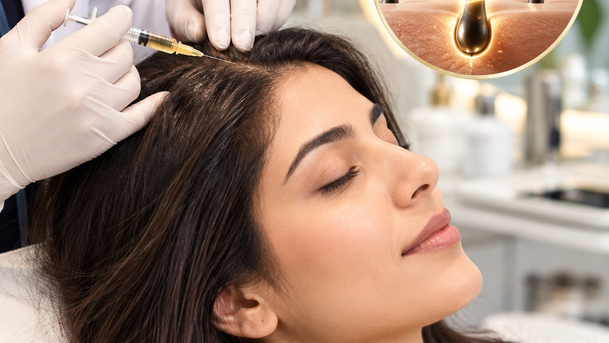
PRP therapy is a popular option in modern hair restoration. The procedure involves collecting a small blood sample, processing it to concentrate platelets, and injecting the prepared plasma into selected areas of the scalp.
Platelets contain growth factors that may support tissue repair and hair follicle activity.
PRP is generally performed through multiple sessions, and results vary depending on the individual’s hair loss condition. Maintenance sessions may also be recommended.
2. Low-Level Laser Therapy
Low-level laser therapy uses controlled light energy to stimulate cellular activity in the scalp. It may help improve hair density in certain individuals experiencing hereditary hair thinning.
Treatment typically requires repeated sessions over several months. It is a non-invasive option, although results are not guaranteed.
3. Microneedling
Microneedling involves creating controlled microscopic channels in the scalp using a specialised device. It may help stimulate the scalp’s natural healing response and can be combined with certain medical treatments.
However, it should be performed by trained professionals because improper techniques can cause irritation, infection, or scalp damage.
Surgical Hair Restoration Options for Women
When medical and non-surgical treatments are insufficient, hair transplant surgery may be considered for suitable candidates.
A hair transplant involves transferring healthy hair follicles from a donor area, usually the back or sides of the scalp, to areas affected by thinning.
1. Follicular Unit Extraction (FUE)
FUE is a commonly used hair transplant technique in which individual follicular units are extracted from the donor area and implanted into areas with reduced hair density.
It does not require a linear incision, and small extraction marks generally heal over time.
FUE may be suitable for women with stable hair loss and sufficient healthy donor hair.
2. Follicular Unit Transplantation (FUT)
FUT involves removing a small strip of scalp tissue from the donor area. Individual hair follicles are then separated and transplanted into the recipient area.
This technique may be considered when a larger number of grafts is required and the patient has suitable donor hair.
Is Hair Transplant Suitable for Every Woman?
No. Hair transplant surgery is not appropriate for every woman experiencing hair loss.
Women with widespread thinning across the scalp may not have enough healthy donor hair for successful transplantation. Those with temporary hair shedding or active scalp conditions may also need medical treatment before considering surgery.
A detailed scalp assessment and donor-area evaluation are important before making a surgical decision.
How to Choose the Right Hair Restoration Clinic
Selecting an experienced hair restoration clinic is an important part of the treatment journey. Whether you are considering medication, PRP, laser therapy, or surgery, professional guidance can help you make an informed decision.
Look for a clinic that offers proper scalp evaluation, transparent treatment recommendations, qualified medical professionals, and realistic expectations about results.
Conclusion
Hair loss can affect women physically and emotionally, but several medical and surgical solutions are now available to address different types of hair thinning. From topical medications and PRP therapy to advanced FUE and FUT procedures, the right approach depends on the cause of hair loss, scalp condition, and individual treatment goals.
Early diagnosis and professional guidance can make a significant difference in achieving better outcomes. Whether you are exploring non-surgical solutions or considering a hair transplant, choosing an experienced hair restoration clinic is essential.
Contact Us Today to schedule a consultation and learn more about personalised hair restoration solutions. Our team can help you understand your treatment options and take the next step towards healthier, fuller-looking hair.
FAQs About Hair Loss Treatment for Women
1. What is the most effective hair loss treatment for women?
The most effective treatment depends on the underlying cause. Minoxidil is commonly recommended for female pattern hair loss, while PRP, laser therapy, and hair transplantation may be suitable for selected individuals.
2. Can women undergo hair transplant surgery?
Yes. Women can undergo hair transplant surgery if they have suitable donor hair, an appropriate pattern of hair loss, and realistic expectations. A specialist evaluation is necessary.
3. How long does hair restoration take to show results?
Results depend on the treatment. Medical treatments may require six to twelve months, while visible hair growth after a transplant generally develops gradually over several months.
4. Is non-surgical hair restoration effective?
Non-surgical treatments such as PRP and low-level laser therapy may help improve hair density in selected patients. Their effectiveness depends on the cause and severity of hair loss.
5. Can hair loss in women be reversed?
Some forms of hair loss, particularly temporary shedding caused by nutritional deficiencies or stress, may improve once the underlying issue is addressed. Hereditary hair loss usually requires ongoing treatment to maintain improvement.
6. How do I find the right hair transplant clinic?
Look for an established hair transplant clinic with qualified specialists, proper diagnostic facilities, transparent pricing, and experience treating female hair loss.